
The first thing the sources establish is scope. Cleveland Clinic states: "Carbon dioxide laser resurfacing is used to treat a variety of skin conditions." This article follows CO2 resurfacing from that starting point into the healing that comes after.
What healing asks a reader to watch
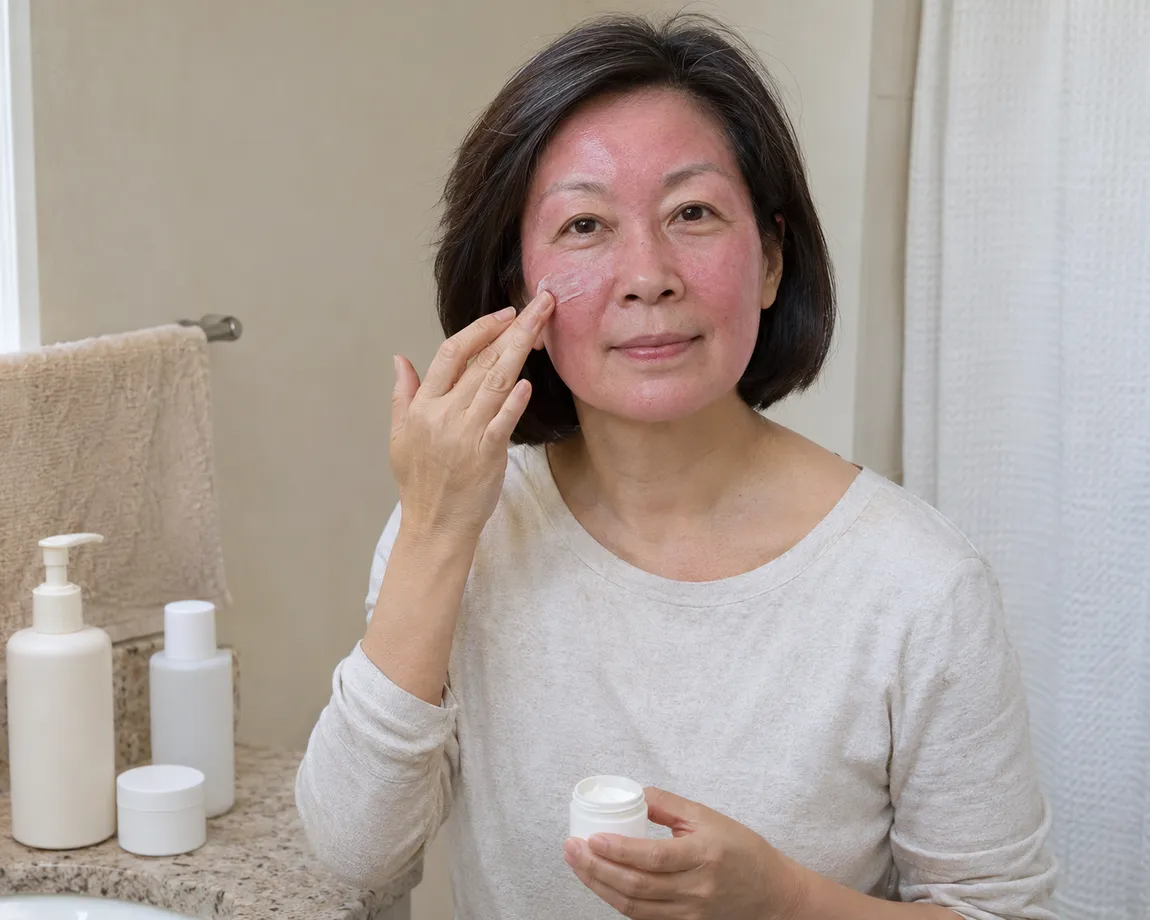
Healing is the stage where a reader's own observations matter most. Note redness, tightness and any change from one day to the next, and keep a dated photo log. DermNet's page on KTP laser treatment describes a different laser and is useful for comparing how devices are presented.
Questions to settle before treatment
Ask which laser type the clinician plans to use. Ask what healing will look like for your skin. Ask who to call if healing looks different than described. Written answers are easier to check later than remembered ones.
Routine care and when to call
Following the aftercare instructions you were given is routine. Anything that differs from those instructions is a reason to call the clinic that treated you. A photo log helps that call, because it shows how the change developed.
One check for this week
Read the American Society of Plastic Surgeons page on laser skin resurfacing, then write down your questions. The wider topic sits at Laser Skin Resurfacing, Ablative and Not, and the recovery period is covered in The Weeks After Laser Resurfacing.